

The first thing you notice is how many people just got off a tour bus. Then you walk down the cliff path and see the columns for the first time and understand why they all came. The Giant's Causeway — around 40,000 interlocking basalt columns, mostly hexagonal, emerging from the sea and extending inland — is one of those places where knowing the geological explanation doesn't diminish the wonder. It's a UNESCO World Heritage Site, and it earns it.
The geology: 60 million years ago an enormous lava flow covered the Antrim plateau, up to 90 metres deep in places. As it cooled slowly from the top and bottom simultaneously, it contracted and cracked in regular fracture lines. Where cooling was perfectly even, the cracks are hexagonal — the most efficient way to divide a plane into regular polygons, the same mathematics that appears in honeycomb. Most columns are 5 or 6-sided; some have 4 or 8. The tallest rise to 12 metres. At the main causeway area you can walk on and between the columns at sea level, their tops forming an irregular stepping-stone platform extending from the cliff base into the sea.
The visitor centre sits on the clifftop, a 10–15 minute walk above the columns. Minibuses run down; walk instead. The descent gives you the first view of the formations as you come around the headland, which is worth arriving on foot for. On the causeway, the most photogenic formations include the Giant's Boot (a column shaped like a shoe, near the main causeway area), the Organ (tall columns on the eastern cliff face curved like organ pipes) and the Chimney Stacks (isolated sea stacks east of the main area). Continue east past the main causeway toward the Amphitheatre for the Chimney Stacks — fewer people, equal geology.
The causeway itself is free. You pay for car parking at the visitor centre (around £13) and the audio guide (optional). If you're arriving by bus, there's no parking fee and you can walk past the visitor centre and down to the causeway without paying anything.
Getting here without a car: the direct option from Belfast is Translink's Goldline 221, which runs to the Giant's Causeway a few times a day. The scenic alternative is the Antrim Coaster (252), which follows the coast from Larne through the Glens of Antrim. By rail, take the train from Belfast to Coleraine (about 1 hour 20 minutes, about £10), then the Causeway Rambler hop-on-hop-off bus (route 402), which runs in summer between Coleraine and Ballycastle via the Causeway, Bushmills and Carrick-a-Rede. Translink also sells unlimited day-travel bus tickets (around £10) — check current options if you're spending a full day on the coast.
The Causeway Coastal Route — the A2 from Ballycastle to Portrush — covers Carrick-a-Rede rope bridge (13 km east), White Park Bay beach, Ballintoy Harbour, Dunluce Castle (10 km west) and Bushmills village (3 km west, home to the world's oldest licensed whiskey distillery, established 1608) in 30 km. Doing all of these in a day requires an early start from either Ballycastle or Portrush. Both have hostel accommodation; Portrush is a proper seaside town with cheap food and good craic in summer.
Note: Northern Ireland uses GBP, not euros, and prices are generally lower than the Republic. This is one of the more affordable days in Ireland.
Highlights
- ~40,000 hexagonal basalt columns formed 60 million years ago — the geometry is a natural consequence of uniform lava cooling
- UNESCO World Heritage Site — one of only two in Ireland alongside Brú na Bóinne (Newgrange)
- The main causeway area is free to access — parking and audio guide are the paid elements
- The coastal path east reveals the Organ, Chimney Stacks and Amphitheatre formations — fewer people, equal geology
- The Causeway Coastal Route from Ballycastle to Portrush covers Carrick-a-Rede, Dunluce and White Park Bay in 30 km
Good to know
- →Walk down the cliff path from the visitor centre rather than taking the minibus — the first view of the columns on the descent is the best moment.
- →The causeway is free. You only pay for car parking at the visitor centre. Arriving by bus means no fees at all.
- →Go early (before 10am) or in shoulder season (Apr, Oct) to avoid the tour-bus rush.
- →Walk east past the main causeway toward the Amphitheatre and Chimney Stacks — most visitors don't go this far and it's as dramatic.
- →Translink Day Tripper ticket (around £10) covers all buses in Northern Ireland — buy it if spending a full day on the coast.
- →Dark Hedges (the Bregagh Road beech tree tunnel used as the Game of Thrones King's Road) is 15 min from the Causeway — worth a 30-min stop if passing.
Best Time to Visit
Arrive before 9 am or after 5 pm Jun–Aug to avoid tour groups at the columns. Spring and autumn are ideal — the Antrim basalt in October light is outstanding. The cliff-top walk to Dunseverick Castle (4 km) is best in clear weather.
Getting There
Common questions
Is the Giant's Causeway free to visit?
The basalt columns are freely accessible at any time — there is no charge to walk to the stones. The National Trust visitor centre charges a fee (adults around £15 in 2025) and includes car parking and a guided audio tour. You can walk from Bushmills village (40 minutes) and access the Causeway without paying anything.
How long should I spend at the Giant's Causeway?
The main Causeway area takes 45–60 minutes to walk around comfortably. Add 30 minutes for the visitor centre. The cliff-top coastal path to Dunseverick Castle (6km one-way) is one of Ireland's best coastal walks and takes 2–3 hours each way if you want to extend the visit significantly.
When is the best time to visit the Giant's Causeway?
Early morning (before 9am) and late afternoon (after 5pm) have the fewest visitors in summer. The stones themselves are open 24/7. Shoulder season (April–May and September–October) offers clearer skies than winter and far smaller crowds than July–August peak. The golden light at low tide in morning or evening is the best photography condition.
Is there parking at the Giant's Causeway?
The main car park is at the visitor centre, reserved for National Trust members and Visitor Experience ticket holders — parking is included in the ticket, and you should pre-book online in peak season as it fills early. To avoid the fee, park in Bushmills and walk the 40-minute coastal path, or take the Translink Causeway Rambler bus. The stones themselves are always free to reach on foot.
Can I combine the Giant's Causeway with Carrick-a-Rede on the same day?
Yes — they are 9km apart and most visitors combine both. The standard order is Giant's Causeway first (morning), then Carrick-a-Rede (midday). Add Dunluce Castle (halfway between them) for a full Causeway Coast day. Carrick-a-Rede requires advance booking; Giant's Causeway does not.
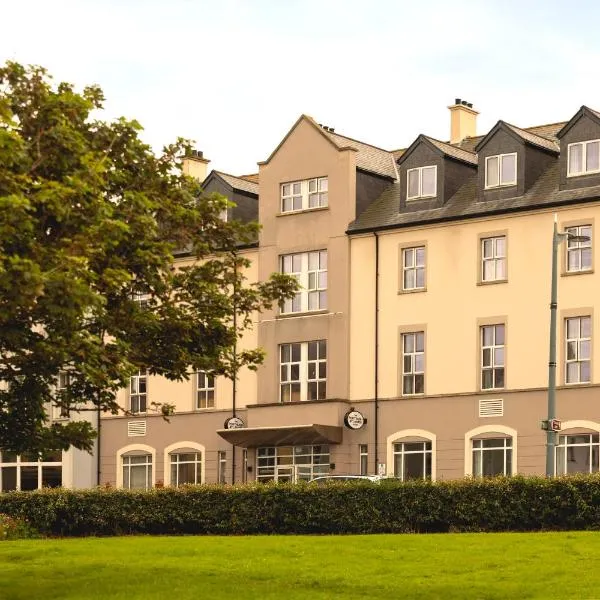
Where to Stay


Nearby Attractions


Book this experience
Giant's Causeway Visitor Experience (National Trust)
The stones are free to walk; the official Visitor Experience ticket adds reserved parking, the audio guide, the guided storytelling walk and the exhibition centre. Pre-booking online is cheaper than the gate.
Book now →Quick Facts
- Type
- Coastal
- County
- Co. Antrim
- Province
- Ulster
- Entry
- Free
- Hours
- Causeway: open year-round. Visitor centre: daily 09:00–17:00 (varies seasonally).
- Allow
- 2–3 hours
Destination guide
Causeway Coast
Itinerary, best stops and local tips for Northern Ireland.
Read the guide →
← All attractions