

Galway occupies a particular position in Irish life that few other cities manage — it is simultaneously the gateway to Connacht, the cultural capital of the west, and the place people mean when they talk about Irish traditional music being embedded in daily life rather than performed for tourists. The city has around 80,000 people, a large student population from the University of Galway, and a concentration of pubs, restaurants and independent shops in a compact medieval centre that is almost entirely walkable.
The Latin Quarter — Shop Street, High Street, Quay Street and the connecting laneways — is the commercial and social heart. The streets here follow the medieval street plan; the narrow layout, three-storey buildings and continuous shopfronts give it a density and character that distinguishes it from most Irish provincial towns. Lynch's Castle on Shop Street (c.1490) is the finest surviving medieval townhouse in Ireland still in daily commercial use. The Spanish Arch (1584) at the river mouth is a remnant of the town walls built to protect the quayside where wine from Spain and Portugal was unloaded — the connection with Iberia is old and real, not touristic invention.
The Claddagh, across the Corrib from the city centre, was the last Irish-speaking fishing village within an urban area in Ireland. The Claddagh ring — a pair of hands holding a crowned heart — originated here and is one of the most copied jewellery designs in the world. The original Claddagh settlement was demolished in the 1930s and replaced with social housing; a small plaque on Claddagh Quay marks where it stood. Galway Bay opens to the west; on a clear evening the light off the bay from the Salthill promenade is one of the better sunset views on the Atlantic coast.
Galway is the natural base for the Aran Islands (ferry from Rossaveal, 45 min west of the city), Connemara, Kylemore Abbey and the Burren. Allow at least two nights to do the city and its surroundings properly.
Highlights
- Lynch's Castle on Shop Street (c.1490) — finest surviving medieval townhouse in Ireland still in commercial use
- Spanish Arch (1584) — remnant of the town walls protecting the quay where Spanish wine was unloaded
- The Claddagh was the last Irish-speaking fishing village in an Irish city; the Claddagh ring design originated here
- Traditional music in pubs almost every night of the year — Tigh Neachtain, Tig Coili and Monroe's are the main venues
- Natural base for Aran Islands (ferry from Rossaveal), Connemara and the Burren
Good to know
- →Park at the Docks or Eyre Square and walk everything — the city centre is entirely on foot.
- →The food tour is one of the better ways to get oriented in the Latin Quarter on a first visit — the guides know the city well.
- →Galway Races week (late July/early August) fills every hotel and hostel in the city and within 50 km — book months in advance or avoid entirely.
- →Salthill promenade (2 km west of the city centre) is where locals walk in the evening — the tradition of "kicking the wall" at the diving boards is a Galway thing.
- →Rossaveal, 45 min west of Galway, is the faster ferry port for the Aran Islands — not Galway city docks, which most maps show.
Best Time to Visit
Jul for the Galway International Arts Festival and the Galway Races — electric but very busy and expensive. May–Jun for a quieter city with everything open. Sep–Oct for the Galway Oyster Festival. Traditional music sessions in the Latin Quarter are best Thursday to Saturday year-round.
Getting There
Common questions
What is the best area to stay in Galway?
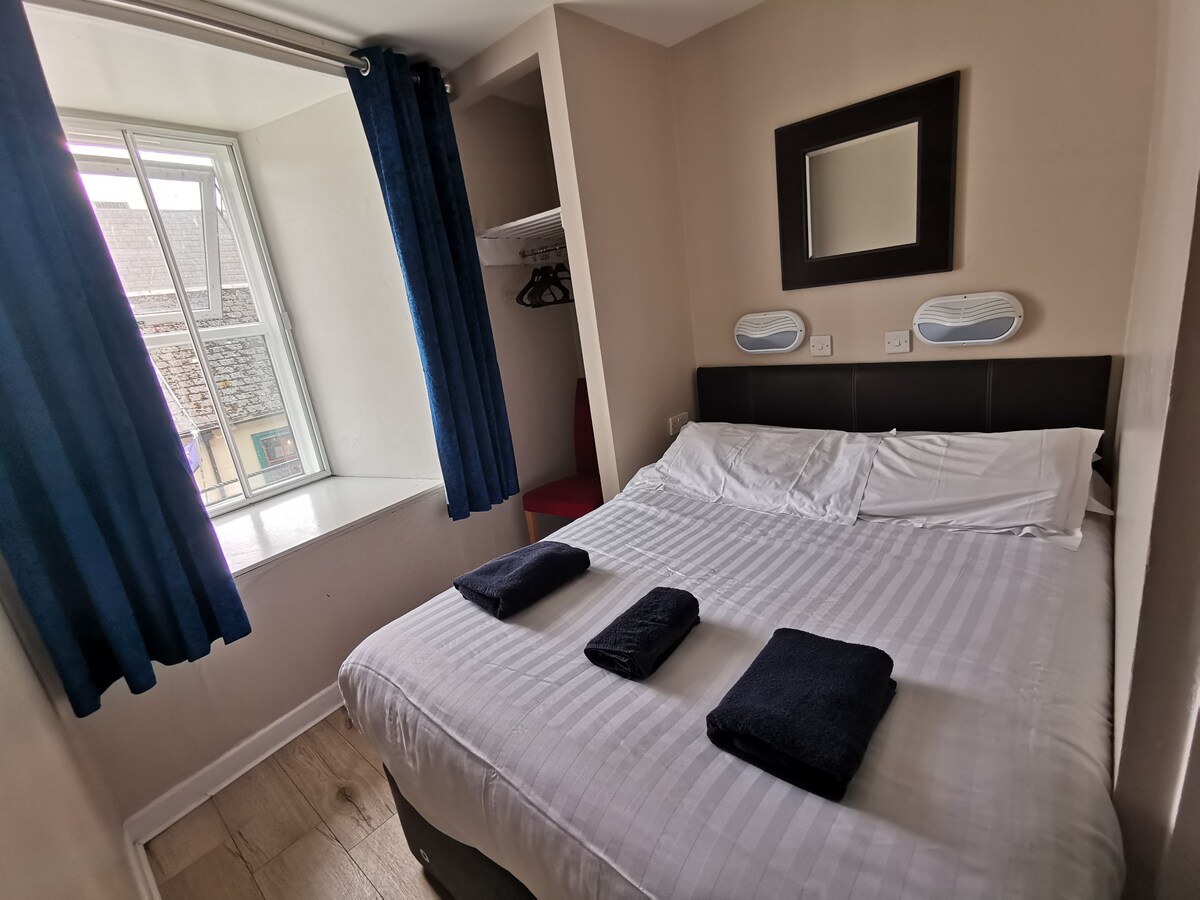
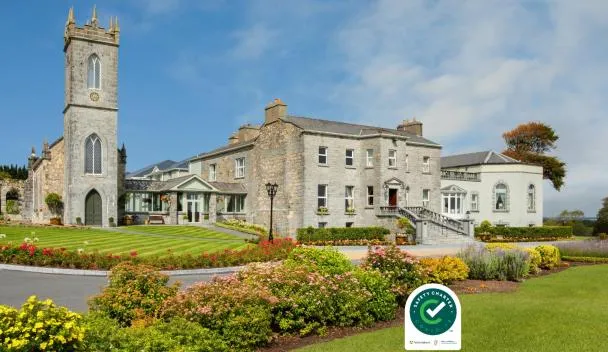
The Latin Quarter (around Shop Street, Quay Street and the Spanish Arch) is the most atmospheric area — walking distance to pubs, restaurants, and the waterfront. Salthill, 3km west, is quieter with a seaside promenade and views across the bay. The city centre is compact enough that any central accommodation gives easy walking access to the main sights.
What is the Latin Quarter in Galway?
The Latin Quarter is the name given to the medieval street grid of central Galway — a compact network of streets around Shop Street and Quay Street with surviving 16th-century buildings, the Collegiate Church of St Nicholas, Lynch's Castle (now a bank), and the Spanish Arch on the waterfront. It is the best-preserved example of a medieval streetscape in the west of Ireland.
When is the best time to visit Galway?
Galway is lively year-round but the Galway International Arts Festival (July) and the Galway Film Fleadh (July) draw large crowds. The Galway Races (late July/early August) fill the city and spike hotel prices significantly. Autumn (September–October) offers the best balance of weather, events and manageable crowds. The Oyster Festival in September is worth attending.
Is Galway a good base for visiting Connemara?
Yes — Galway is the standard base for Connemara. The national park at Letterfrack is about 1.5 hours west; Kylemore Abbey is 10 minutes further. The Aran Islands ferries leave from Rossaveel (40 minutes from Galway) or Doolin. For the Cliffs of Moher and the Burren, Doolin or Lisdoonvarna are better bases but Galway works as a day-trip point.
Where to Stay

Nearby Attractions


Book this experience
★4.9· 667 reviews
Galway food tour
Small-group food tour through the Latin Quarter with tastings at local Galway producers.
Book now →Galway city walking tour
Guided walking tour of Galway's medieval quarter, Spanish Arch and Claddagh.
Book now →Quick Facts
- Type
- Heritage
- County
- Co. Galway
- Province
- Connacht
- Entry
- Free
- Hours
- Open city — no entry hours
- Allow
- Half day to full day
Destination guide
Connemara & Galway
Itinerary, best stops and local tips for Galway · Ireland.
Read the guide →
← All attractions